Talk about it. Se habla español.

-

-

5525 Oakdale Ave., Suite 170
Woodland Hills, CA 91364

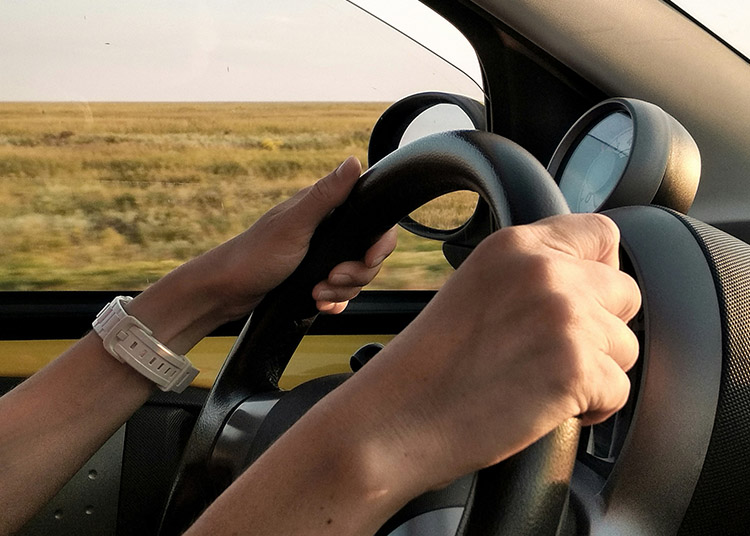
5 Tips for Managing a New Driver
When someone in your household gets a driver’s license, pretty much everyone involved will feel a mix of excitement and concern. For the parent, a licensed driver means fewer errands. You won’t need to drive them to school or extracurricular activities anymore. And for the teen or young adult, driving gives them freedom.
At the same time, though, it’s super normal for both the parent(s) and the new driver to feel some level of worry. The newness makes it scary.
If you’re on the parent side of things, you probably want to put guardrails in place to keep your new driver safe. We have a handful of tips to help there.
#1: Use their behind-the-wheel training time
In California, drivers with a learner’s permit have to complete 50 hours with a licensed driver who’s over 25. This is your time to shine. By helping them meet that 50-hour benchmark, you get time in the car with them.
Start by just observing. Every parent feels the temptation to clutch the grab handle or shout, “Slow down!” or “Car!” Try to reign that in. Verbalizing and showing physical signs of your nervousness will only make your new driver more anxious. Try to stay as calm and collected as you can.
Let your new driver log a few hours with you before you start giving too much advice. Remember how scary it felt to learn to drive? Extra feedback only makes that worse.
By being a calm presence in the car, you help them learn to stay calm behind the wheel. And you get the chance to observe their driving skills as they develop over time. That way, you can make corrections where they really need it (instead of nit-picking every little thing).
#2: Be mindful of your own driving
Your kids likely spent most of their life in their own worlds as you drove them around town. As they become drivers themselves, though, things shift. Suddenly, they’re watching whether you put on your seatbelt or use your turn signal.
This is a season when you should drive as well as you possibly can. Modeling defensive driving techniques, like leaving plenty of space in front of your vehicle, helps them learn good techniques.
#3: Practice in as many conditions as possible
Usually, new drivers and their parents want to start in as controlled an environment as possible. You might take them to an empty parking lot, for example.
That’s a great way to help the driver feel more comfortable behind the wheel. It doesn’t set them up for long-term safety, though.
Make sure you spend some time driving with them at night. And if we get a rare spot of rain here in Southern California, use it to your advantage.
#4: Help them avoid distracted driving
Young drivers love the sense of independence, and that includes the freedom to use the car as their personal space. You can encourage that while also helping them avoid distracted driving.
If they like to listen to music in the car, make it a habit to put their playlist on before they put the car in drive. If they’re going to need to use GPS to get to the destination, have them set it up — with audio guidance turned on — before you set out.
Encouraging safe, hands-free phone use helps new drivers avoid one of the biggest risks on the road: their own distractions.
#5: Have conversations outside of the car
It can be tempting to want to call out issues as you see them. Then your new driver can immediately apply them, keeping you all safer.
Sometimes that works. But it can also make the car a high-stress environment.
If you notice that shared time in the car tends to lead to arguments, take a new approach. Try talking about driving when your new driver isn’t behind the wheel. Without having to worry about driving — something that takes a fair bit of brain power while you’re learning it — they’ll be better able to receive your feedback.
A new driver can free up time in your life and foster healthy independence in the newly licensed person. But it can also create stress in your family. If you want help because you’re experiencing excessive worry about your new driver or you’ve been arguing with them, come see us. Working with a therapist can make it easier to navigate the curves in the road that often come with this season.